%2Ffit-in%2F250x250%2Fguide_websites%2F16439%2Fimages%2F1718492546507image98.png&w=1920&q=100)
Atlantic City NJ Fishing Charter - Triggerfish, Flounder & Tautog
Atlantic City Fishing Charter - Species & Techniques
%2F%2Fusers%2F7a4da417-026f-411e-9c43-30d1e496386d%2Fimages%2Fatlantic-city-mixed-species-catch-2728.jpg&w=1920&q=75)
Fishing Charter by Captain Michael Dicarlo in October
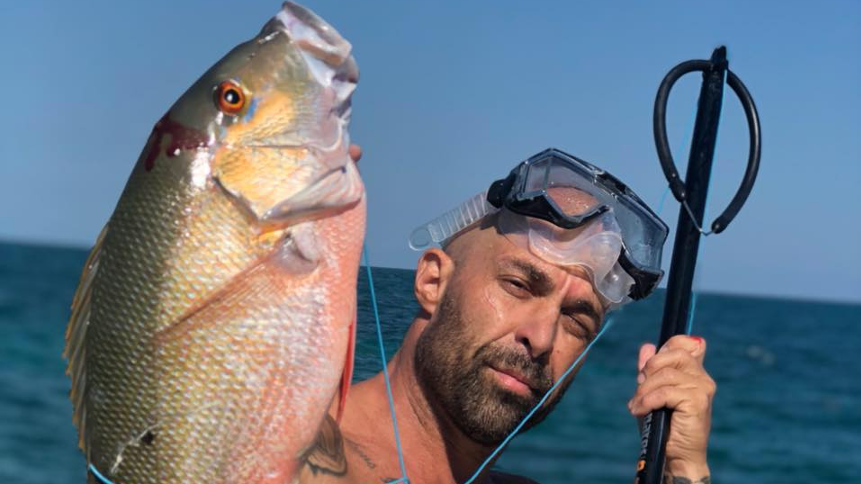
- Epic Atlantic City NJ Fishing Charters Adventure!


Summary
Join a fishing charter in Atlantic City NJ and experience productive waters teeming with Grey Triggerfish, Scup, Southern Flounder, and Tautog. Captain Michael Dicarlo of Water Wolves delivers expert guidance on this Thursday in October, combining technique with local knowledge to maximize your catch and understanding of Atlantic coastal species.
Fishing Charter with Captain Michael Dicarlo - Rates & Booking
Captain Michael Dicarlo of Water Wolves offers fishing charters departing from Atlantic City NJ on Thursday in October. This fishing charter targets multiple species including Grey Triggerfish, Southern Flounder, Tautog, and Scup - a diverse mix that keeps anglers engaged and learning throughout the day. To book your charter and learn about current rates, group sizes, and included gear, contact Water Wolves directly for availability and trip details.
Captain Dicarlo brings years of local expertise to Atlantic City waters, ensuring anglers understand not just where to fish, but why these species congregate in specific areas and conditions. All essential fishing equipment and guidance are part of the charter experience, allowing you to focus on technique and strategy.
Highlights of This Atlantic City Fishing Experience
The diversity of species available in Atlantic City waters makes each trip unpredictable and exciting. Morning and midday conditions often produce different results, giving anglers insight into how water temperature, tide, and light affect feeding behavior across species. You'll learn to identify each species by sight, understand their habitat preferences, and adapt your approach throughout the day.
Tautog, Scup, and Southern Flounder each present distinct challenges and require different rigging techniques. Grey Triggerfish, while less common in some Atlantic City areas, offer a thrilling catch when conditions align. This mix ensures a comprehensive education in coastal fishing fundamentals.
Local Species Insights: Atlantic City's Premier Catch
Atlantic City NJ waters host four main species on this charter, each with unique behavioral traits and environmental preferences.
Grey Triggerfish inhabit rocky outcroppings and hard bottom structure. These fish have strong jaws and feed on crustaceans and hard-shell prey, requiring appropriate bait selection and rod strength. They're intelligent feeders that respond to subtle changes in presentation and water conditions.
Southern Flounder are ambush predators that bury themselves in sandy or muddy bottoms, using their camouflage to surprise prey. They prefer shallow to moderate depths and are most active during tide changes when baitfish movement increases. Understanding tidal patterns is key to targeting this species successfully.
Tautog are structure-oriented bottom feeders found around pilings, jetties, and rocky areas. They're most active in cooler months and have powerful crushing ability, making them a challenging and rewarding target. Their preference for tight cover requires precise casting and line control.
Scup, also called porgy, are schooling fish that move in large groups through mid-water columns and sandy bottoms. They respond well to small baits and jigs, making them excellent for learning about presentation sensitivity and detecting subtle takes.
Atlantic City's position on New Jersey's coast provides access to both nearshore and moderate offshore structure. The combination of artificial reefs, natural hard bottom, sand flats, and tidal channels creates ideal habitat for this diverse mix of species. Water temperature cycles through the seasons significantly influence which species are most active, teaching anglers how environmental factors drive fishing success.
Plan Your Fishing Day
A typical charter day with Captain Michael Dicarlo includes guidance on tackle setup, bait selection, and technique adjustments based on conditions. You'll learn to read water features, interpret sonar displays, and recognize signs of feeding activity. Whether this is your first fishing experience or you're building advanced skills, the charter structure accommodates various experience levels while pushing you toward deeper understanding of coastal fisheries. Wear appropriate layering for Atlantic weather, bring sun protection, and prepare for an active day on the water focused on learning and fishing success.
Fishing in Atlantic City NJ: Scup, Grey Triggerfish, Southern Flounder and Tautog
Scup Overview
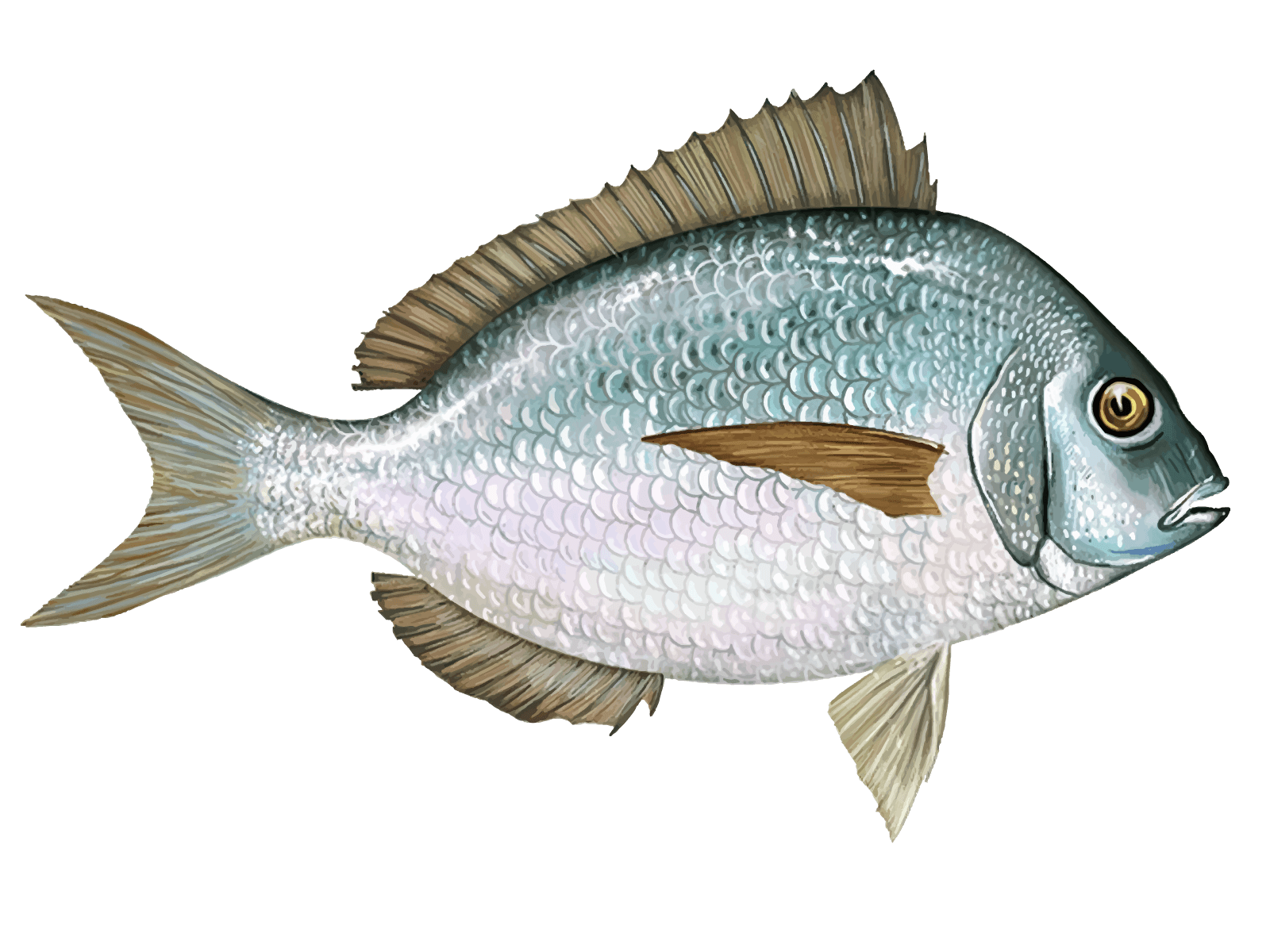
The scup, scientifically known as Stenotomus chrysops and commonly called porgy, is a fascinating medium-sized fish belonging to the family Sparidae within the order Perciformes. What makes scup particularly distinctive is their tall, compressed body covered in brown coloring with iridescent silver scales that shimmer and reflect rainbow-like hues in sunlight. With their small mouths equipped with strong jaws and narrow, pointed teeth perfectly designed to crush hard shells, these fish are remarkable bottom feeders that have become increasingly popular among recreational anglers throughout coastal regions like New England and the Mid-Atlantic. Scup are an important commercial species harvested in high numbers annually and commonly exported to Japan, making them economically significant beyond their appeal to fishing enthusiasts.
Scup Habitat and Distribution
Scup are a highly migratory species that demonstrates predictable seasonal movement patterns tied directly to water temperature changes. During the warmer months from May through October, these fish congregate near the coastline and are often found within just a few miles of shore in onshore and nearshore environments. As winter approaches and water temperatures drop, scup undertake a remarkable southward and offshore migration into deeper waters to escape the cold. Interestingly, if caught in shallow, inshore waters when a sudden cold snap strikes, scup may perish, highlighting their sensitivity to rapid temperature fluctuations. Their geographic range spans the Atlantic Ocean coastline of the United States from Maine all the way south to North Carolina, with particularly robust populations found around Cape Cod, Massachusetts and throughout the New York area where they spawn seasonally.
Scup Size and Weight
Scup typically grow to an average length of 10 to 18 inches, with most specimens reaching the lower end of this range. Average weights range from 2 to 4 pounds for a standard catch, though larger specimens are certainly possible. What's particularly impressive about scup is their longevity—these fish can live up to 20 years in the wild, representing a relatively long lifespan for a fish of their size. Young scup begin reproducing at just 2 years of age and approximately 8 inches in length, indicating rapid maturation and reproductive capability that contributes to their abundance in Atlantic waters.
Scup Diet and Behavior
As dedicated bottom feeders, scup spend much of their time searching along the ocean floor for their preferred prey. You'll consistently find them hunting near rocks, pilings, and reef structures where mollusks, worms, and other small invertebrates congregate. Their strong jaws and tooth structure are perfectly evolved for crushing the hard shells of their prey, allowing them to exploit food sources that many other fish species cannot access. Scup are schooling fish, though they typically remain near the bottom rather than in open water. While not traditionally considered a sport fish, scup are surprisingly easy to catch, and anglers targeting other species frequently find themselves landing these eager biters. Interestingly, they also serve as excellent live bait for predatory species like striped bass and even white marlin, making them valuable to multi-species fishing strategies.
Scup Spawning and Seasonal Activity
Scup demonstrate fascinating reproductive behaviors that peak during late spring and summer months. From May through August, these fish spawn in weeds or sandy areas throughout southern New England, particularly between Cape Cod, Massachusetts and the New York area, with peak spawning activity occurring in June. What sets scup apart from most other fish species is their unusual spawning timing—while the vast majority of fish spawn under cover of darkness at night, scup conduct their spawning activities in the morning hours. During spawning season, females release approximately 7,000 eggs just once per year. This predictable seasonal pattern makes scup movements highly anticipatory for anglers, as migration and spawning concentrations create excellent fishing opportunities during specific windows throughout the year.
Scup Techniques for Observation or Capture
Bottom Fishing Method: The most popular and effective technique for catching scup is bottom fishing using medium tackle with a 14-pound test line. From a boat, cast your bait to the ocean floor and employ a slow, deliberate jigging motion moving your bait up and down to entice strikes. From shore, cast out your baited rig and allow it to sink completely to the bottom, then slowly reel in until your line becomes taut before beginning your jigging rhythm. Natural baits like squid, worms, or clam are highly effective, as they match the scup's natural diet of invertebrates and mollusks. A spinning rod and reel combo measuring 6 feet 6 inches to 7 feet in length with fast action and capable of handling lure weights up to 1 ounce is the optimal setup. Consider using fused or braided lines to achieve greater casting distance and improved sensitivity to bottom contact.
Drifting and Jigging: Drifting is another productive method, particularly effective when working deeper waters or broader reef structures. Allow your boat to drift with the current while maintaining bottom contact with your jig, working promising structure methodically. Around Cape Cod, Massachusetts and throughout New England coastal areas, drifting over rocky bottom and reef systems during peak season can yield consistent action.
Fly Fishing: Although scup are primarily considered a bottom species not typically targeted by fly anglers, they occasionally appear in surface schools and can be caught using small Clousers and small rain bait flies. This unconventional approach requires patience and keen observation but can produce surprising success when schools become active in shallow water.
Scup Culinary and Utilization Notes
While not necessarily celebrated for gourmet qualities, scup are considered good eating fish with pleasant, mild white flesh that takes well to various cooking preparations. Their firm texture makes them suitable for baking, pan-frying, or grilling, and they're particularly popular in Asian cuisine, which explains the significant export market to Japan. Beyond direct consumption, scup's primary value to anglers lies in their role as effective live bait for larger gamefish species. A healthy, lively scup makes an excellent choice when targeting striped bass, which actively hunt these natural prey items, or when pursuing white marlin in offshore waters.
Scup Frequently Asked Questions
Q: What is the best bait for catching scup?
A: Natural bait works exceptionally well for scup. Squid, worms, and clam are the top choices, as these baits directly mimic the mollusks and invertebrates that form the foundation of their diet. Present your bait on the bottom using a jigging motion to trigger strikes from these responsive fish.
Q: Where can I find scup near New England coastal areas?
A: From May through October, scup congregate in nearshore and onshore waters within a few miles of the coastline, particularly around rocky bottom, reefs, and pier structures. Areas around Cape Cod, Massachusetts and throughout the New York region are especially productive. During winter, they migrate to deeper offshore waters, making them inaccessible to most shore-based anglers.
Q: Is scup good to eat?
A: Yes, scup are considered good eating fish with mild, firm white flesh. They're popular in various cuisines and are commonly exported to Japan for commercial markets. They're particularly well-suited to baking, frying, and grilling preparations.
Q: When is the best time to catch scup?
A: The prime fishing season runs from May through October when water temperatures warm and scup move into coastal waters. Peak spawning activity in June often correlates with excellent fishing opportunities, and early morning and late afternoon hours typically produce the most consistent action.
Q: How easy are scup to catch?
A: Scup are extremely easy to catch and are often landed by anglers specifically targeting other fish species. Their aggressive feeding behavior, responsiveness to natural bait, and tendency to school in accessible bottom habitats make them ideal for beginning anglers or those seeking consistent action.
Q: Can scup be used as bait for other fish?
A: Absolutely. Live scup make excellent bait for striped bass and white marlin, making them valuable beyond direct consumption. Their natural prey status for these larger gamefish makes them a strategic choice for multi-species fishing approaches.
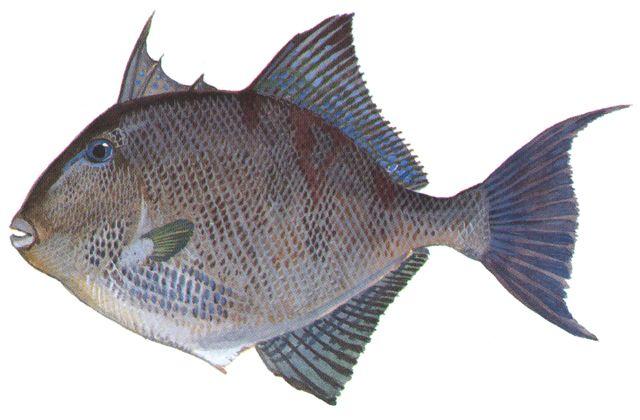
The Grey Triggerfish (Balistes capriscus) from the Balistidae family and Tetraodontiformes order is one of those fascinating fish that every angler should experience at least once. Also known as the Leatherjacket or Leatherneck, this distinctive ray-finned fish sports a pale grey to greenish-grey coloration with three broad dark stripes running across its body and striking blue upper eyes. What really sets them apart is their tough, leather-like skin and that unique trigger mechanism they use to lock themselves into crevices when threatened - it's like watching nature's own security system in action!
Grey Triggerfish Overview
These remarkable fish are true characters of the reef ecosystem, known for their bold personalities and opportunistic feeding habits. Found throughout the Atlantic waters from Nova Scotia down to Argentina, they're particularly abundant around Florida's coastal waters and the Gulf of Mexico. What makes them so notable for anglers is their aggressive feeding behavior and willingness to take almost any bait, though they're notorious for their nibbling technique that can frustrate even experienced fishermen. Their laterally compressed body and distinctive beak-like mouth make them unmistakable once you've encountered one.
Grey Triggerfish Habitat and Distribution
You'll find these adaptable fish thriving in both inshore and offshore environments, typically around hard-bottom areas, rocky ledges, and coral reefs up to about 180 feet deep. Their range extends from the western Atlantic Ocean, including the Caribbean Sea, Gulf of Mexico, and even Bermuda, with some populations having crossed the Atlantic via Gulf Stream currents to establish themselves around the British Isles and Mediterranean. They prefer seaward reefs, bays, and lagoons where they can easily dart into protective crevices when danger approaches. The key to finding them is looking for structure - anywhere there are rocks, reefs, or artificial structures, you're likely to encounter these territorial fish.
Grey Triggerfish Size and Weight
Most specimens you'll encounter range from 19 to 24 inches in length, though the average catch typically measures around 17 inches. These medium-sized fish pack quite a bit of weight for their size, with mature individuals weighing between 11 to 13 pounds. Their robust, compressed body shape gives them surprising heft, and when you hook into a larger specimen, you'll definitely feel the fight they put up. The size can vary significantly based on location and available food sources, with fish in nutrient-rich areas often reaching the upper end of the size spectrum.
Grey Triggerfish Diet and Behavior
As carnivorous opportunists, these fish have earned a reputation as the bulldozers of the reef ecosystem. They use their powerful, sharp teeth to crunch through hard-shelled prey like crabs, sea urchins, shrimp, and various invertebrates, often leaving a trail of destruction that smaller fish follow to feast on the leftovers. Their feeding behavior is quite aggressive - they'll pick apart coral formations to get at hidden prey and aren't shy about competing with other fish for food. This competitive nature makes them relatively easy to target with bait, as they'll often rush in to steal food from other species. Their daily behavior involves patrolling territory during daylight hours and retreating to protective crevices at night.
Grey Triggerfish Spawning or Seasonal Activity
During spawning season, typically in warmer months, these fish become even more territorial and aggressive. Males establish nesting sites in sandy areas near reefs where they create circular depressions for females to deposit eggs. The male guards the nest fiercely, making this period particularly exciting for anglers as the fish become more active and easier to locate. Seasonal movements often bring them into shallower waters during spring and summer months, making them more accessible to recreational fishermen. Their activity levels peak during dawn and dusk feeding periods, though they remain active throughout the day in productive areas.
Grey Triggerfish Techniques for Observation or Capture
The most effective approach involves targeting hard-bottom areas and reef structures using a 6 to 8-ounce sinker to get your bait down quickly to their preferred depths. Squid chunks about an inch wide work exceptionally well since they stay on the hook better than softer baits, and the key is maintaining constant line tension to feel those subtle nibbles before they steal your bait. A particularly effective technique is dropping your bait near other species like snapper or grouper - the competitive nature of these fish means they'll often charge in to steal food from their neighbors. Around popular fishing destinations, try fishing the edges of artificial reefs and bridge pilings where they tend to congregate. Keep your rod tip up and be ready to set the hook quickly, as they're notorious for testing the bait before committing to a full bite.
Grey Triggerfish Culinary or Utilization Notes
While they offer average eating quality compared to some other reef species, many anglers appreciate their firm, white meat when prepared properly. The key to good table fare is immediate cleaning and proper preparation, as the tough skin requires careful removal. Their meat has a mild flavor that takes well to various cooking methods, from grilling to frying, though some find the texture a bit firmer than preferred. They're also valued for their impressive fighting ability, making them a popular target for sport fishing. The sustainability aspect is important to consider, as proper size limits and seasonal restrictions help maintain healthy populations for future generations to enjoy.
Grey Triggerfish Frequently Asked Questions
Q: What is the best bait for Grey Triggerfish?
A: Squid chunks about an inch wide are the top choice because they stay on the hook well despite the fish's nibbling behavior. Shrimp, cut bait, and even small crabs work effectively, but squid's durability gives you the best chance of a solid hookup.
Q: Where can I find Grey Triggerfish in Florida waters?
A: Look for hard-bottom areas, artificial reefs, bridge pilings, and rocky ledges in both inshore and offshore waters up to 180 feet deep. Popular spots include reef systems off the Keys, Gulf Coast artificial reefs, and structure around inlets and passes.
Q: Are Grey Triggerfish good to eat?
A: They provide decent table fare with firm, white meat that has a mild flavor. While not considered premium eating like snapper or grouper, they're certainly edible when cleaned and prepared properly, though the tough skin requires careful removal.
Q: When is the best time to catch Grey Triggerfish?
A: Dawn and dusk feeding periods are typically most productive, though they remain active throughout the day. Warmer months often see increased activity as they move into shallower waters, and fishing around structure during incoming tides can be particularly effective.
Q: Why do Grey Triggerfish steal bait without getting hooked?
A: Their feeding behavior involves nibbling and testing bait before fully committing, which is why maintaining tight line tension and using durable baits like squid is crucial. Setting the hook at the first sign of movement rather than waiting for a strong pull often results in better hookup rates.
Q: How do I prevent Grey Triggerfish from breaking off once hooked?
A: Use sturdy tackle and reel steadily while keeping the rod tip up to prevent them from diving back into structure. Their first instinct when hooked is to head for the nearest crevice or reef, so applying consistent pressure to turn them away from cover is essential for a successful landing.
Southern Flounder Overview
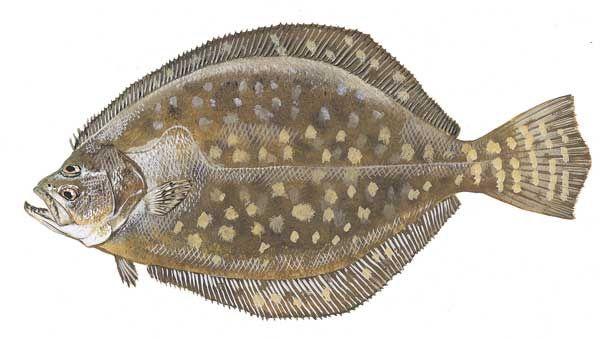
The Southern Flounder (Paralichthys lethostigma) is a fascinating member of the Paralichthyidae family within the order Pleuronectiformes. What makes this flatfish truly remarkable is its distinctive asymmetrical eye placement—both eyes positioned on the left side of its head—and its remarkable ability to camouflage itself against sandy and muddy bottoms. These bottom-dwelling ambush predators are native to coastal waters across the Atlantic seaboard and Gulf of Mexico, making them a favorite target for both recreational and commercial anglers. Unlike their close cousin the Summer Flounder, Southern Flounders display numerous light and dark blotches rather than the oscillating spot patterns found on other flounder species. Whether you're casting lines near coastal channels or exploring estuaries, encountering this skilled predator is a genuine thrill that keeps anglers coming back season after season.
Southern Flounder Habitat and Distribution
Southern Flounders thrive in shallow coastal marine environments spanning from the Atlantic seaboard down through the Gulf of Mexico. You'll find them inhabiting sandy, rocky, or muddy bottoms in bays, rivers, lakes, estuaries, and inshore channels where they can easily ambush unsuspecting prey. These fish prefer staying in water shallow enough to maintain their bottom-dwelling lifestyle, which makes them accessible to shore-based and small boat anglers alike. During winter months, most adult specimens migrate offshore to deeper, warmer waters, so timing your fishing trips accordingly can significantly impact your success rates. The species thrives in areas with strong tidal currents and rich prey populations, making river mouths and coastal channels particularly productive fishing zones.
Southern Flounder Size and Weight
Southern Flounders typically range from 12 to 18 inches in length, with exceptional specimens stretching up to 33 inches or more. The average catch weighs around 1 to 4 pounds, which makes for excellent table fare and enjoyable sport on light-to-medium tackle. However, the all-tackle weight record stands at an impressive 20 pounds 9 ounces, proving that genuine trophy-sized flounders do exist for patient and skilled anglers willing to pursue them. Size varies considerably depending on habitat quality, water temperature, and food availability, with offshore populations generally producing larger specimens than their inshore cousins.
Southern Flounder Diet and Behavior
These masterful hunters are ambush predators that spend much of their day buried beneath sand or mud on the seafloor, waiting for unsuspecting prey to swim overhead. Their primary diet consists of worms, shrimp, blue crabs, and smaller fish species including anchovies, menhaden, and mullets. What's truly impressive is their ability to change color and pattern to perfectly match their surrounding substrate, effectively becoming invisible to both prey and predators. This chameleon-like adaptation is one of nature's most effective hunting strategies. Southern Flounders exhibit anguilliform swimming patterns, using their bodies and caudal fin to move gracefully through water despite their flattened body shape. Behaviorally, they're most active during tidal movements when increased water flow brings more food opportunities within striking distance.
Southern Flounder Spawning and Seasonal Activity
Female Southern Flounders demonstrate remarkable reproductive capacity, capable of releasing up to 9,000 eggs during a single spawning event. Spawning typically occurs during late fall and winter months, with larvae drifting into estuaries and shallow bays as nursery grounds throughout spring and early summer. Juvenile flounders grow rapidly in these nutrient-rich nurseries before gradually moving to deeper offshore waters as they mature. Males exhibit notably shorter lifespans compared to females, typically living only three years maximum, while females can reach considerably older ages. This pronounced sexual dimorphism in lifespan makes protecting breeding populations especially important for long-term fishery sustainability.
Southern Flounder Techniques for Observation or Capture
Still Fishing and Drift Fishing: The most effective method involves still fishing or drift fishing directly over known flounder habitat on sandy or muddy bottoms. Position your boat in channels or along drop-offs where these fish congregate. Use a single-hooked slip lead or free-line rig with heads ranging from 1/4 to 3/8 inches. Light-to-medium rod and reel combinations spooled with 10-pound test line work perfectly. Cast your rig uptide and maintain bottom contact, feeling for the characteristic tap-tap-tap of a feeding flounder.
Live Bait Presentation: Bull minnows, mullets, and live shrimp represent the gold standard baits for Southern Flounders. Present these offerings on the bottom where flounders hunt, allowing natural movement to trigger strikes. Around coastal areas like the Louisiana bayous or North Carolina sounds, fresh live shrimp often outperforms all other baits, particularly during peak tidal movements.
Fly Fishing: For a more engaging challenge, try fly fishing with medium-weight lines and small streamer patterns that mimic baitfish. Cast along channel edges and drop-offs, then execute slow, pulsing retrieves near the bottom. This technique works particularly well in shallower estuarine waters where sight-casting is possible.
Southern Flounder Culinary and Utilization Notes
Southern Flounder ranks among the finest eating flatfish available to anglers, featuring delicate, mild white meat with excellent flavor and tender texture. The meat cooks beautifully whether pan-seared, baked, or deep-fried, making it a favorite at both family dinners and upscale restaurants. A single 2-3 pound flounder provides a satisfying meal for two people, while larger specimens offer enough fillets for family gatherings. The high-quality protein, low fat content, and absence of strong fishy flavors make this species appealing even to seafood skeptics. From a sustainability perspective, recreational harvest at reasonable levels remains sustainable in most regions, though always check local regulations and size limits before keeping your catch.
Southern Flounder Frequently Asked Questions
Q: What is the best bait for catching Southern Flounder?
A: Live bull minnows, mullets, and shrimp consistently outperform artificial offerings. Fresh live shrimp typically produces the highest success rates, particularly during moving tide periods when flounders actively feed. The key is presenting your bait directly on the bottom where these ambush predators hunt.
Q: How do I distinguish a Southern Flounder from a Summer Flounder?
A: The most reliable distinguishing feature is the spot pattern on the dark side. Southern Flounders display numerous light and dark blotches and irregular spots, while Summer Flounders exhibit more uniform, oscillating spot patterns. Additionally, Southern Flounders typically have less developed pectoral fins compared to their cousins.
Q: When is the best time to catch Southern Flounder?
A: Spring through early fall offers excellent opportunities as fish remain in shallower inshore waters. Winter months see most flounders migrating offshore to deeper refuge, making them harder to access from shore. Tidal movements create peak feeding windows, so fish moving tides whenever possible for maximum productivity.
Q: Are Southern Flounders good to eat?
A: Absolutely—they rank among the finest-tasting flatfish available. The delicate white meat offers mild flavor and tender texture, cooking beautifully through multiple preparation methods. A 2-3 pound flounder provides an excellent meal, while larger specimens offer abundant fillets for family dining.
Q: What fishing techniques work best for Southern Flounder?
A: Still fishing and drift fishing over bottom habitat produce the most consistent results. Position your boat in channels or along defined drop-offs, maintaining bottom contact with your rig. Light-to-medium tackle spooled with 10-pound test line provides excellent sensitivity for detecting the subtle takes these bottom feeders produce.
Q: Can I sight-cast to Southern Flounder in shallow water?
A: Yes, in clear shallow estuaries and bays you can occasionally spot feeding flounders and cast to them directly. However, their excellent camouflage makes spotting them challenging. Fly fishing with streamers works well in these situations, though traditional bottom-fishing techniques remain more consistently productive.
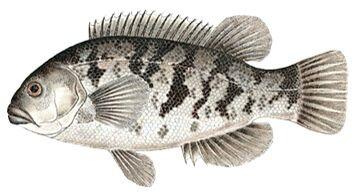
Tautog Overview
The Tautog (scientific name Tautoga onitis), commonly called the Blackfish, is a remarkable wrasse species belonging to the family Labridae within the order Perciformes. Found along the Atlantic coast from South Carolina to Nova Scotia, this fish is instantly recognizable by its mottled, dark coloring, stout build, and distinctive thick, squared fins. What makes the Tautog truly special is not just its appearance but its aggressive hunting behavior and preference for rocky structures—from Long Island's famous "Blackfish Heaven" to the rocky outcrops near Chesapeake Bay. Whether you're an angler seeking a challenging catch or a marine enthusiast curious about Atlantic coastal fish, the Tautog represents one of the most interesting species to pursue in saltwater environments.
Tautog Habitat and Distribution
The Tautog thrives in structured saltwater habitats, with a strong preference for rocky environments that provide shelter and hunting grounds. Younger fish often inhabit eelgrass beds, but as they mature, they migrate to more complex rocky structures including boulders, jetties, and rocky outcrops. The species is native to coastal areas stretching from South Carolina northward to Nova Scotia, with notable populations in Chesapeake Bay (Maryland and Virginia) and around Long Island, New York. The fish rarely leaves these structured habitats except during seasonal transitions into winter, making them predictable targets for experienced anglers who understand their territorial nature. These fish become increasingly territorial between late April and early August during their breeding season, further cementing their preference for specific rocky zones.
Tautog Size and Weight
Adult Tautog typically range from 1 to 3 pounds in weight, with lengths averaging between 1 to 12 inches for common catches. However, the species can grow considerably larger under ideal conditions. The maximum recorded size reaches approximately 36 inches in length and 28.8 pounds in weight, though such specimens are rare and represent exceptional catches. Most anglers pursuing this species near rocky outcrops and jetties can expect to land fish in the 1- to 3-pound range, which still provides excellent sport and culinary reward. Understanding these size ranges helps anglers select appropriate tackle and set realistic expectations when targeting this wrasse species.
Tautog Diet and Behavior
The Tautog is a carnivorous feeder with a specialized diet centered on marine invertebrates, particularly shellfish. These fish show a marked preference for clams, crabs, barnacles, and mussels—prey that requires the powerful crushing teeth and throat teeth (an extra row designed for grinding shells) that this species possesses. The Tautog's rubbery, slime-coated skin is an evolutionary adaptation that protects them from cuts while hunting among sharp rocks. What's fascinating about their behavior is their dramatic shift between day and night activity. During daylight hours, they actively feed and patrol their rocky territories, displaying aggressive territorial behavior. However, at night, the Tautog become remarkably inactive, often lying motionless on their side in crevices. This nocturnal torpor actually makes them catchable even in darkness—a counterintuitive advantage for anglers willing to fish without light, as artificial illumination may trigger photosensitivity that causes the fish to perceive daytime conditions and retreat into deeper hiding spots.
Tautog Spawning and Seasonal Activity
The Tautog exhibits a highly predictable seasonal pattern that directly influences angling success. Between late April and early August, the species enters its breeding season and becomes even more territorial than usual, defending specific rocky structures with vigor. During this window, a single female Tautog produces approximately 200,000 eggs, which are fertilized and left to develop in the shallow seabed. The larvae drift with currents and take 3 to 4 years to mature into recognizable adult fish. One interesting way to estimate the age of a Tautog is by observing its coloration—younger fish display bright green hues that gradually fade as they age; the duller the green, the older the fish. The species boasts a remarkable lifespan of 34 to 40 years, making individual fish decades-long residents of their chosen rocky habitats. As water temperatures begin cooling in fall, Tautog gradually become less active and eventually retreat into deeper water, making summer and early fall the prime fishing seasons.
Tautog Techniques for Observation or Capture
Technique 1: Strategic Rod Selection and Positioning
Successful Tautog anglers recognize that the challenge lies not in the fish's speed but in its habitat. Using a rod with a sensitive tip but heavy end and mid-section allows you to detect subtle bites while maintaining the strength to extract fish from rocky structures. Position yourself near jetties, rocky outcrops, and boulders, but consider fishing slightly away from the most obvious structures—these popular spots are often heavily pressured. If your line doesn't register a tug within 15 to 20 minutes, relocate rather than persist in an unproductive area. Around Long Island and Chesapeake Bay, veteran anglers often scout secondary rock formations near the main structure to avoid competition and increase bite rates.
Technique 2: Green Crab or Asian Crab Bait Strategy
The highest-success bait for Tautog is fresh green crab or Asian crab. The key to this technique is preparation: snip off the crab's legs and claws, then crush them into dust and disperse this scent around your fishing location. This creates a feeding frenzy response in nearby Tautog. You can hook multiple crabs to increase scent dispersal, but here's the critical detail—this bait setup only remains effective for 4 to 5 minutes before it loses potency. Set a timer and replace your bait after this window expires. This technique separates experienced Tautog anglers from novices, as most don't realize the time-sensitive nature of crushed crab bait.
Technique 3: Vertical Jigging Motion
Rather than relying solely on casting and spinning reels, employ a jigging technique using more vertical motion. By mimicking the natural movements of crabs and shellfish, you trigger the Tautog's predatory instincts more effectively than static presentations. This active engagement approach works particularly well around structure and during peak feeding hours (early morning and late afternoon), increasing your odds of connecting with this challenging species.
Tautog Culinary and Utilization Notes
The Tautog offers good odds for culinary use and is considered a quality table fish in Atlantic coastal regions. The flesh is firm, mild-flavored, and versatile for various cooking methods including baking, steaming, and pan-frying. Due to the Tautog's specialized diet of shellfish, its meat often carries subtle briny undertones that appeal to seafood enthusiasts. The species provides solid nutritional value as a lean protein source, and pursuing it represents a sustainable fishing practice given its abundance in appropriate rocky habitats. Local restaurants in areas near significant Tautog populations occasionally feature the fish on menus, highlighting its cultural and culinary importance to Atlantic coast fishing communities.
Tautog Frequently Asked Questions
Q: What is the best bait for catching Tautog?
A: Green crab and Asian crab are the gold-standard baits, particularly when prepared by snipping off legs and claws, crushing them into dust, and dispersing the scent around your fishing location. This bait triggers feeding frenzies but remains effective for only 4 to 5 minutes, so timely replacement is essential. Live fiddler crabs and small clams also work, but crushed crab dust provides the highest success rate for consistent catches.
Q: Where can I find Tautog near Long Island or Chesapeake Bay?
A: Target rocky outcrops, boulders, and jetties in these regions. Long Island's famous "Blackfish Heaven" and the rocky structures surrounding Chesapeake Bay consistently hold Tautog populations. Scout secondary rock formations away from the most obvious structures to find less-pressured fish. Jetties and breakwalls near Maryland and Virginia shore access points frequently produce excellent results.
Q: Is Tautog good to eat?
A: Yes, absolutely. Tautog offers firm, mild-flavored flesh that is versatile for cooking. Baking, steaming, and pan-frying are all excellent preparations. The fish's shellfish-based diet imparts subtle briny undertones that many seafood enthusiasts appreciate. It's considered a quality table fish throughout Atlantic coastal regions and represents a sustainable protein source for recreational anglers.
Q: When is the best time to catch Tautog?
A: Late April through early August is peak season when Tautog are most active and territorial during breeding season. Early morning and late afternoon hours produce the most consistent feeding activity. Interestingly, night fishing can be productive since the fish become inactive and less responsive to light, though this requires skill and patience. Avoid fishing during active light hours with artificial illumination, as photosensitivity may drive them into deeper hiding spots.
Q: Why do I keep losing tackle in Tautog habitat?
A: Tautog inhabit rocky structures—boulders, outcrops, and jetties—that readily snag and break lines and nets. Use rods with sensitive tips but heavy mid-sections and ends to handle the structures. Position yourself strategically near rocky areas rather than directly on top of them. If you're consistently losing tackle, switch to slightly deeper or adjacent areas where Tautog still roam but rock density is lower.
Q: How can I tell if a Tautog is old?
A: Observe the fish's coloration, particularly the green hues. Younger Tautog display bright, vibrant green coloring, while older fish show increasingly duller, faded green tones. The less bright the green appears, the older the fish. Since Tautog can live 34 to 40 years, significant color fading indicates a veteran resident of its rocky habitat, potentially carrying decades of experience in evasion.