Sea Bass Fishing in Atlantic City NJ with Captain Dicarlo
Sea Bass Fishing in Atlantic City - What to Expect

Fishing Charter by Captain Michael Dicarlo in December
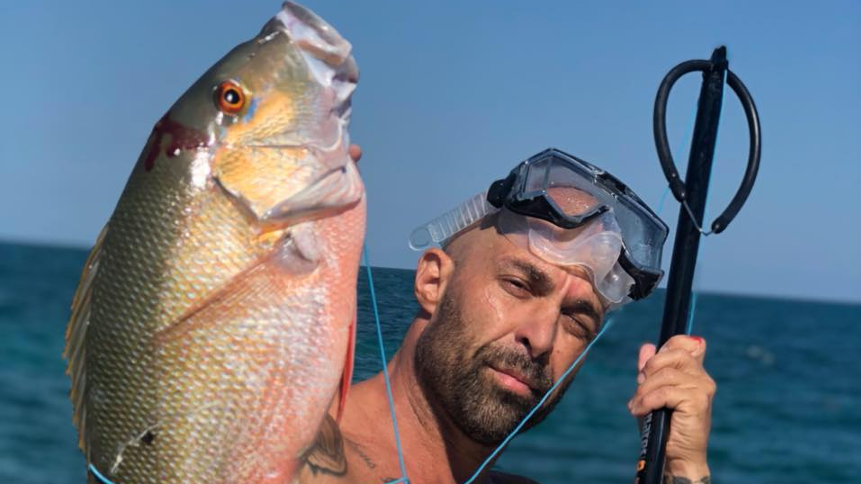
- Epic Atlantic City NJ Fishing Charters Adventure!


Summary
Join a fishing charter in Atlantic City, New Jersey on Saturday, June 15th and experience the thrill of landing fresh sea bass. Captain Michael Dicarlo of Water Wolves specializes in coastal fishing adventures where you'll target stripers and other local species in productive waters. This hands-on fishing charter delivers authentic action and memorable catches.
Fishing Charter with Captain Michael Dicarlo - Rates & Booking
Captain Michael Dicarlo of Water Wolves invites you on Saturday, June 15th for an authentic sea bass fishing charter departing from Atlantic City. This hands-on fishing experience puts you directly on the water where stripers and local species are most active. You'll work with a captain who knows these New Jersey coastal waters intimately and understands where to find consistent action.
To reserve your spot or inquire about rates and availability, contact Water Wolves directly. Captain Dicarlo provides the expertise and local knowledge that transforms a fishing outing into a genuine adventure. Whether you're targeting your first sea bass or building on past experience, this charter is structured around your skill level and goals.
Highlights of Atlantic City Sea Bass Fishing
The waters off Atlantic City deliver excellent opportunities for sea bass and striped bass throughout the season. You'll experience the real pulse of Jersey coastal fishing - the strike of a hungry bass, the fight against the current, and the satisfaction of a clean catch. These productive grounds have made Atlantic City a destination for serious anglers seeking reliable action.
Captain Dicarlo's expertise extends beyond just finding fish. He reads the water conditions, adjusts tactics based on what's happening, and helps you understand the environment around you. The combination of his local knowledge and your effort creates the kind of fishing memory that keeps anglers returning to these waters year after year.
Local Species Insights: Sea Bass
Sea bass are ambush hunters that thrive in the structured environments of New Jersey's coastal zones. These fish are aggressive feeders, particularly around dawn and dusk when the water transitions between light conditions. They hold near bottom structure, submerged debris, and offshore reefs where they hunt smaller baitfish. The 12-inch specimen captured on this charter represents a solid catch - a fish that fought hard and provided genuine angling satisfaction.
Atlantic City's proximity to multiple fishing zones means you'll be targeting bass in their preferred habitat. These waters benefit from strong tidal exchange and nutrient-rich conditions that keep baitfish abundant and aggressive. Sea bass respond well to live bait and carefully presented artificial lures, and the strike is typically explosive - one of the most satisfying moments in saltwater fishing. Their firm flesh also makes them excellent table fare for anglers interested in a fresh catch dinner.
The environment off Atlantic City creates ideal conditions for these species throughout the season. The coastal structure, depth transitions, and current patterns all work together to concentrate sea bass in predictable locations. Captain Dicarlo knows how to read these conditions and position your charter exactly where the action is happening. Whether the bite is steady or requires patience and precision, you'll be fishing productive water with an experienced hand managing the operation.
Beyond the individual fish, sea bass fishing teaches you about tidal patterns, water temperature, and seasonal movement. Each trip builds understanding of how these species behave and what drives their feeding activity. By your second or third charter, you'll recognize the signs that indicate good fishing and understand why certain times and locations produce better results than others.
Fishing in Atlantic City NJ: Sea Bass
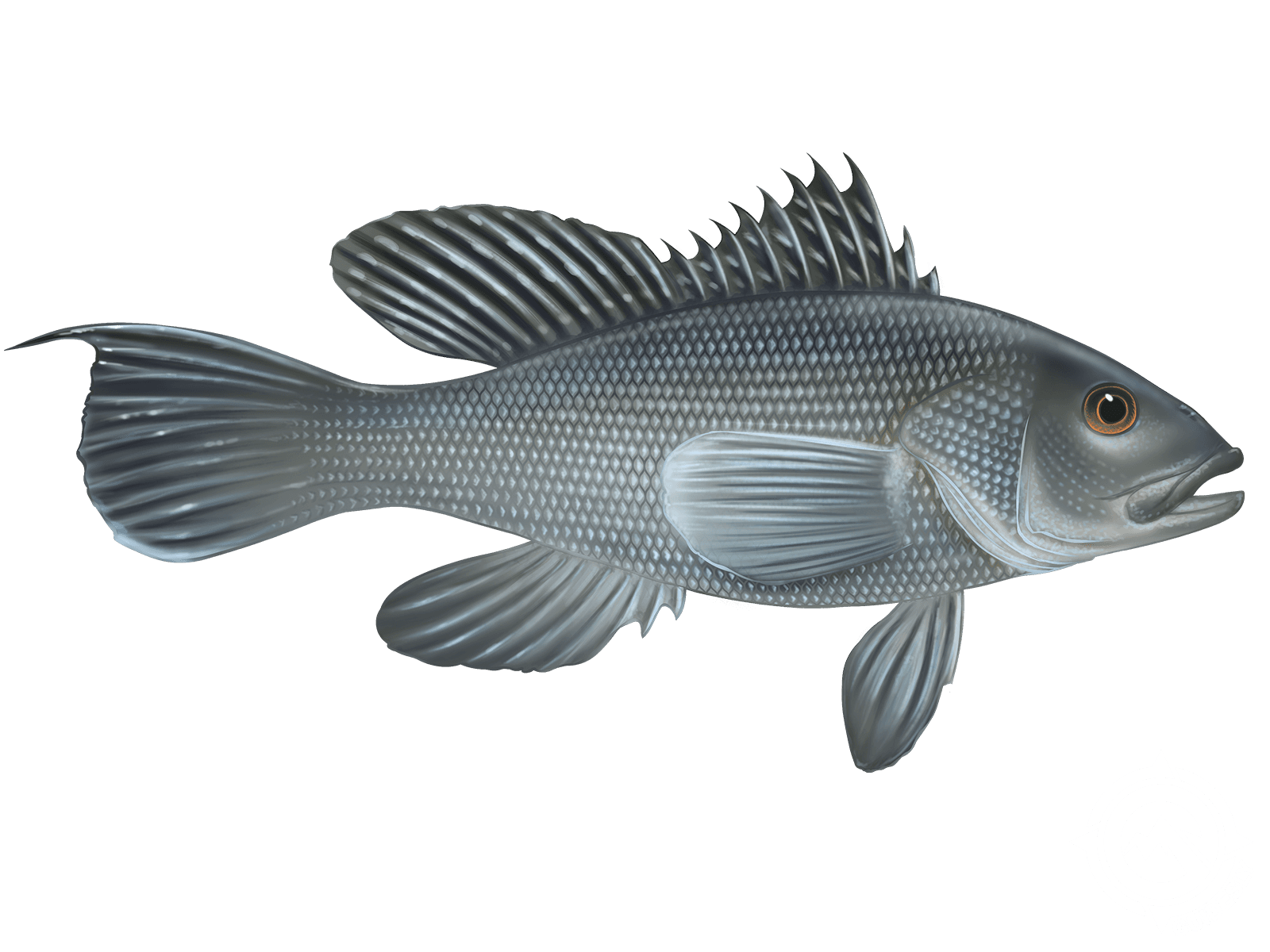
Sea Bass Overview
The Sea Bass (Centropristis striata) is a highly prized gamefish belonging to the family Serranidae and order Perciformes. Commonly referred to as the Black Seabass, this species is instantly recognizable by its jet-black scales contrasting with a grayish underbelly, elongated body profile, and prominent mouth lined with sharp teeth. Sea Bass are native to the Atlantic coast and have become a favorite target for both recreational anglers and commercial fishermen due to their spirited fight and exceptional culinary qualities. Whether you're casting lines off the coast of Massachusetts or exploring deeper offshore structures, this aggressive feeder delivers excitement and excellent eating opportunities year-round.
Sea Bass Habitat and Distribution
Sea Bass thrive in hard-bottomed ocean environments, particularly around jetties, rocky reefs, shipwrecks, and other structure-rich habitats where they hunt for prey. Their geographic range spans from Maine southward to Florida, with populations extending into the Gulf of Mexico during warmer months. These fish are exclusively oceanic and are typically found in onshore, nearshore, and offshore waters, though they show a strong preference for areas with significant bottom features. The rocky outcrops and artificial reefs along the Atlantic seaboard serve as prime territory, making destinations like New Jersey, New York, and the Carolinas hotspots for dedicated Sea Bass anglers seeking consistent action.
Sea Bass Size and Weight
The typical Sea Bass you'll encounter averages around 10 to 12 inches in length and weighs approximately 2 to 9 pounds, making them a reasonably sized catch that's both manageable and rewarding. However, these fish can grow substantially larger under ideal conditions, with the largest recorded specimens reaching lengths of 26 inches or more. Most recreational catches fall in the 12 to 18-inch range, which provides an excellent balance of fight and table fare. Understanding local size regulations is important, as many coastal states have implemented minimum size requirements to ensure sustainable populations.
Sea Bass Diet and Behavior
Sea Bass are aggressive carnivorous hunters with a reputation for eating virtually anything in their path. Their primary diet consists of shrimp, crabs, worms, small fish, and clams—mollusks and crustaceans being particular favorites. With teeth so sharp they can shred meat from bone, these fish are well-equipped predators that actively hunt throughout the day, especially during tidal movements and low-light periods. They commonly travel in loose schools when feeding, coordinating their efforts to maximize hunting success. This schooling behavior is a key advantage for anglers, as hooking one Sea Bass often indicates the presence of multiple individuals in the area, providing opportunities for multiple catches in a single session.
Sea Bass Spawning or Seasonal Activity
Sea Bass exhibit a distinct spawning season that runs from January through July, with peak activity occurring in late winter and early spring along coastal areas. During these months, fish congregate in spawning grounds, creating excellent opportunities for anglers targeting concentrated populations. Outside of spawning season, Sea Bass remain relatively active throughout the year, though colder months may push them into deeper offshore waters. Understanding these seasonal movements helps anglers plan trips strategically—winter spawning aggregations offer predictable action, while summer months see fish dispersing across wider areas as water temperatures warm.
Sea Bass Techniques for Observation or Capture
Equipment Setup: Target Sea Bass with a 6.5 to 7-foot fishing rod featuring a light, sensitive tip capable of handling 15 to 30-pound line. Pair this with a quality spinning reel spooled with 20 to 30-pound braided line, connected via a small swivel to a 3 to 4-foot fluorocarbon leader testing 40 pounds. Braided line is ideal for Sea Bass fishing because it offers zero stretch, allowing you to feel subtle bottom contact and light bites, plus its thin diameter resists water current better than monofilament.
Live and Cut Bait Approach: Sea Bass are aggressive feeders that readily attack natural baits. Cut squid, clams, and fresh mullet are particularly effective, especially when fished near structure using a simple jig head or bottom-bouncing rig. Drop your bait near wrecks, jetties, and rocky outcrops during slack tide or moving water periods. This method works exceptionally well around New Jersey's Atlantic coast, where numerous inshore and offshore wrecks concentrate Sea Bass populations.
Artificial Lure Technique: Modern anglers increasingly succeed with soft plastic jigs, bucktails, lipless crankbaits, and metal spoons worked vertically or along bottom contours. Cast toward structure and maintain bottom contact with subtle jigging motions. This approach proves particularly effective during dawn and dusk hours when Sea Bass feed most aggressively. The key is working lures slowly and deliberately near the seafloor where these fish spend most of their time.
Sea Bass Culinary and Utilization Notes
Sea Bass occupies an elevated position in culinary circles and commands premium prices at fine dining establishments, prized for its firm white flesh, delicate flavor, and excellent texture. Unlike most farmed fish, wild Sea Bass are not commercially bred through aquaculture, which contributes to their exclusivity and higher market value. The meat is versatile, lending itself beautifully to pan-searing, baking, grilling, and steaming preparations. Nutritionally, Sea Bass provides excellent lean protein, omega-3 fatty acids, and essential minerals, making it a healthy seafood choice. Many recreational anglers keep their catches for table fare, and most regional regulations include generous possession limits specifically because the fish makes such excellent eating.
Sea Bass Frequently Asked Questions
Q: What is the best bait for catching Sea Bass?
A: Cut squid and clams are top choices for Sea Bass, though fresh shrimp and small fish baits also work well. These aggressive feeders will strike almost any natural bait presented near structure, particularly during moving tide conditions when they actively hunt.
Q: Where can I find Sea Bass near major coastal cities?
A: Sea Bass thrive near rocky jetties, artificial reefs, and shipwrecks along the Atlantic seaboard. In the Northeast, charter boats regularly target wrecks off New Jersey and New York. Southern areas around the Carolinas and Florida offer excellent nearshore and inshore opportunities around natural reef systems and structure.
Q: Is Sea Bass good to eat?
A: Absolutely. Sea Bass is considered excellent table fare with firm, white, delicate meat. It commands premium prices at upscale restaurants and is highly sought after by recreational anglers specifically for its culinary qualities. Whether pan-seared or baked, it delivers outstanding flavor and texture.
Q: When is the best time to catch Sea Bass?
A: Sea Bass spawn and concentrate January through July, making these months prime season. Within those months, early morning hours and dusk periods offer peak feeding activity. Moving tide conditions—particularly slack tide transitions—trigger aggressive feeding behavior regardless of season.
Q: What rod and reel setup should I use for Sea Bass?
A: A 6.5 to 7-foot light-action rod with a sensitive tip paired with a spinning reel spooled with 20 to 30-pound braided line is ideal. Add a 3 to 4-foot fluorocarbon leader (40-pound test) to complete the rig. This setup provides the sensitivity needed to detect subtle bites while maintaining sufficient strength for deeper structures.
Q: Are Sea Bass available year-round?
A: While Sea Bass are present year-round in Atlantic waters, they're most accessible to anglers during winter and spring spawning months when they concentrate in specific areas. Summer and fall see them more dispersed, requiring longer trips to offshore structures and wrecks.